
Sports injuries are sad and common in athletics. Injury is a risk for professional athletes, weekend warriors, and fitness enthusiasts alike. Sports medicine has several specialities, but the podiatrist is often disregarded but vital. Sports injury prevention, diagnosis, and treatment are the responsibility of podiatrists. We’ll discuss podiatrists’ expertise, their role in sports injuries, and how they help athletes in this complete guide.
Foundation: Understanding Podiatry
Podiatry diagnoses, treats, and prevents foot, ankle, and lower extremity diseases. Foot doctors, or podiatrists, are medical practitioners with specific training. They can treat foot and ankle abnormalities, accidents, diseases, and their effects on health and mobility.
Foot and Ankle: A Vital Part of Athletic Performance
Sports and physical activity depend on feet and ankles. They underpin balance, stability, and mobility. Any lower extremity injury or illness can damage an athlete’s performance and quality of life due to their importance.
Common sports-related foot and ankle issues:
- Sprains, strains
- Fractures from stress
- Tendonitis
- Plantar fasciitis
- Turf toe
- Ankle instability
- Overuse wounds
- Ingrown toenails
- Calluses and blisters
- Neuromas
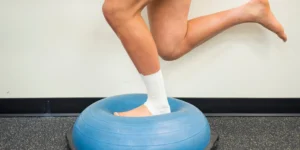
The Podiatrist’s Role in Sports Injuries
1. Prevention and Education
Sports injury prevention is usually best. Podiatrists teach athletes about foot care, footwear, and injury prevention. Orthotic inserts or custom orthotics may help athletes improve biomechanical alignment, minimise lower extremity stress, and prevent overuse injuries.
2. Accurate Diagnosis
Accurate and timely diagnosis is crucial for athletes with foot or ankle issues. Podiatrists are trained to diagnose ailments. They use physical exams, imaging, and diagnostic tests to find the issue. Effective treatment starts with an accurate diagnosis.
3. Treatment and Rehabilitation
Sports injury therapy is customised by podiatrists. These approaches may include conservative physical therapy, bracing, or orthotics. They can also repair tendons, ligaments, and fractures surgically. Podiatrists and physical therapists collaborate on rehabilitation regimens to enhance healing and function.
4. Return-to-Play Decisions
The decision to play sports again after an injury is crucial. Podiatrists evaluate athletes’ safety before resuming activity. They examine the athlete’s health, injury kind and severity, and rehabilitation progress.
5. Managing Overuse Injuries
Sports injuries often develop from repetitive actions or overtraining. Podiatrists can reduce strain, rectify biomechanical abnormalities, and implement rest or modified training programmes to treat these injuries.
6. Custom Footwear and Orthotics
Podiatrists can evaluate athletes’ gait and foot structure to propose shoes. Custom orthotics may be prescribed to improve biomechanical anomalies and performance. Plantar fasciitis and shin splints can be prevented with custom orthotics.
7. Rehabilitation and Strength Training
Sports injuries often require rehabilitation and strength training. Podiatrists and physical therapists provide targeted rehabilitation strategies to assist athletes to regain strength and mobility.
Multidisciplinary Approach
In sports medicine, collaboration is key. Podiatrists, orthopaedic surgeons, physical therapists, sports medicine physicians, and other healthcare professionals treat athletes together. The comprehensive approach guarantees athletes receive the most effective and efficient treatment.
Notable Sports Injuries and Podiatry
Let’s examine some typical sports injuries and how podiatrists treat them:
1. Plantar Fasciitis
Inflammation of the substantial band of tissue running across the bottom of the foot results in the painful condition known as plantar fasciitis. Running athletes often have it. Podiatrists can diagnose and treat plantar fasciitis with custom orthotics, physical therapy, and anti-inflammatory medications.
2. Ankle Sprains
Run-related stress fractures are common. Imaging can diagnose stress fractures, and podiatrists can propose activity adjustment and supervise therapy.
3. Stress Fractures
Stress fractures often occur due to repetitive impact, such as running. Podiatrists can diagnose stress fractures through imaging, offer recommendations for activity modification, and oversee the rehabilitation process.
4. Tendonitis
Sports that entail repetitive actions often cause tendonitis. Podiatrists can treat pain and inflammation with rest, physical therapy, and minimally invasive procedures.
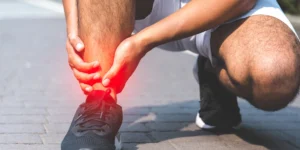
Inspirational Stories
Many athletes have benefited from podiatrists:
1. Kobe Bryant
Kobe Bryant said his podiatrist helped him overcome foot and ankle ailments. He sought specialised attention to keep performing at the greatest level.
2. Eli Manning
Former NFL quarterback Eli Manning also benefited from podiatry. Treatment for foot and ankle ailments kept him in top shape.
3. Lindsey Vonn
Olympic skiing champion Lindsey Vonn has discussed her foot and ankle ailments. She received podiatrist care to compete at the greatest level.
Innovations in Podiatry and Sports Medicine
Technological advances affect podiatry as much as other medical fields. New diagnostic tools, minimally invasive surgery, and creative treatments have helped athletes recover and perform better.
1. Biomechanical Analysis
Biomechanical analysis evaluates an athlete’s gait and lower limb movements using modern technology. This information helps podiatrists adapt footwear, orthotics, and training changes.
2. Shockwave Therapy
ESWT uses high-energy shock waves to activate the body’s natural healing mechanisms without surgery. It treats sports problems, including plantar fasciitis and Achilles tendinitis.
3. Platelet-Rich Plasma (PRP) Therapy
PRP therapy uses a patient’s platelet-rich plasma to mend damaged tissues. It treats sports problems, including tendinitis and ligaments.
4. Minimally Invasive Procedures
Modern minimally invasive surgery can treat certain foot and ankle diseases with less scarring, faster recovery, and less pain. These techniques help athletes return faster.
Conclusion
Podiatrists prevent, diagnose, and treat sports injuries, making them sports medicine’s unsung heroes. They provide the best foot and ankle care to athletes, helping them recover from injuries and pursue their ambitions. Podiatrists help professional athletes return to competition and weekend warriors keep active. Their knowledge, multidisciplinary approach, and innovative therapies make them significant sports medicine resources.