
Onychomycosis, or toenail fungus, affects millions globally. Thickened, discoloured, and brittle toenails can be ugly and painful. This comprehensive guide will help you identify, prevent, and treat toenail fungus, whether you suspect it or have it.
Identifying Toenail Fungus
The following symptoms and indicators indicate toenail fungus:
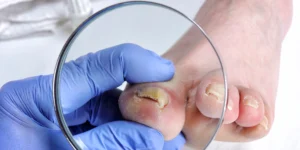
Yellowing: Toenails can be yellow and deteriorate with infection.
Thickening: The damaged toenail may thicken and become harder to trim.
Brittle or Crumbly: Infected nails become brittle and flaky, making them more likely to break.
Distorted Shape: Toenails may look uneven.
Dark Debris: Fungal growth may cause debris or black areas under the nail.
Separation: The toenail might split from the nail bed, leaving a debris-filled space.
Foul Odour: Toenail fungus can cause a foul odour.
Risk Factors for Toenail Fungus
To prevent toenail fungus, know the risk factors. Common risk factors are:
Warm and Moist Environments: Locker rooms, pools, and communal showers are high-risk settings because fungi flourish in warm, damp surroundings.
Sweaty Feet: Heavy perspiration promotes fungal growth.
Footwear: Fungal infections can result from poorly ventilated shoes and socks.
Nail Injuries: Fungi can enter toenails through injuries or trauma.
Weakened Immune System: Diabetes and immunosuppressive drugs can weaken the immune system, increasing fungal infections.
Preventing Toenail Fungus
Prevention is key for toenail fungus. These tips can lower your risk of this condition:
Keep Your Feet Clean and Dry: Keeping your feet clean and dry is essential. Dry your feet, especially between the toes, after showering.
Wear Moisture-Wicking Socks: Socks that wick moisture away from your feet will keep them dry.
Choose Breathable Footwear: Air-flowing shoes reduce moisture buildup.
Avoid Walking Barefoot in Communal Areas: Protect your feet from public surfaces by not walking barefoot.
Regularly Trim and Maintain Your Toenails: To avoid fungal growth, trim and clean your toenails regularly.
Change Shoes and Socks Regularly: Avoid wearing the same shoes and socks every day. Air them out between usages.
Use Antifungal Powder or Spray: Use antifungal powder or spray to inhibit fungal development.
Treatment Options for Toenail Fungus
Toenail fungus can be treated in numerous ways:
1. Over-the-counter (OTC) Topical Medications
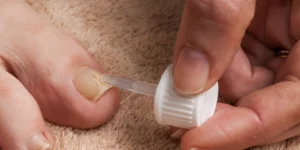
OTC antifungal nail lotions, ointments, and lacquers can treat mild to moderate toenail fungus. Miconazole, clotrimazole, and amorolfine are common active components.
2. Prescription Oral Medications
Doctors may prescribe oral antifungals for serious infections. Terbinafine and itraconazole are taken for weeks or months.
3. Topical Prescription Medications
Doctors may prescribe stronger topical antifungal creams or solutions to treat the illness.
4. Laser Therapy
Laser therapy is a novel method that heats the toenail to eliminate the fungus. The treatment may work but requires repeated sessions.
5. Surgical Removal
For serious infections that don’t respond to standard therapies, toenail surgery may be needed. New, healthy nails should grow after removal.
6. Home Remedies
To treat moderate toenail fungus, some people use vinegar soaks, tea tree oil, or coconut oil. These remedies may provide some relief, but medical treatments are usually more effective.
7. Prevention and Lifestyle Changes
Fighting present illnesses and preventing future ones are equally important. Consider these preventative steps for healthy toenails:
- Wear appropriate shoes. Choose shoes that allow air circulation and moisture control.
- Change your socks regularly. Ensure your socks are clean and dry.
- Avoid sharing nail clippers or files. This prevents the spread of fungal spores.
- Keep your feet dry. Use antifungal powder or spray in your shoes.
- Trim your toenails correctly. Trim them straight across and avoid cutting them too short.
Conclusion
Common and tenacious, toenail fungus can be managed and treated with the appropriate approach. Toenail fungus can be prevented by recognising its symptoms, understanding its risk factors, and taking precautions. Consult a doctor to diagnose and treat toenail fungus. Toenail fungus can be managed with over-the-counter, prescription, or laser treatments to restore healthy, beautiful toenails.