
Tired of hobbling with heel pain? It’s time to ditch discomfort and return to confidence! Heel discomfort can be debilitating, but we’ve got you covered. We’ll explain heel discomfort, offer preventive and treatment advice, and reveal some delightful home remedies.
What is heel pain?
Heel pain can ruin your day. But what causes this annoying pain? Several things might cause heel pain. Inflammation of a thick band of tissue along the bottom of your foot is a common cause of plantar fasciitis. Sharp, stabbing heel pain typically results.
Achilles tendinitis, which causes inflammation or injury in the tendon that joins your calf muscles to your heel bone, is another possibility. This heel discomfort is usually dull and stiff.
Stress fractures, bursitis, and incorrect footwear can also cause it. Your aching heels may be due to those cute yet unsupportive shoes! Heel discomfort is miserable regardless of the source. Don’t worry! There are ways to prevent and alleviate this pain.
Common Causes of Heel Pain
Heel pain is widespread and can hinder daily life. Understanding the root causes can help alleviate the pain.
A common cause of heel pain is plantar fasciitis. Inflammation of the thick band of tissue on the bottom of your foot causes acute pain with each stride. Achilles tendinitis, stress fractures, and bursitis are further causes.
Incorrect footwear can also cause heel pain. Shoes without arch support or cushioning strain the feet, causing pain and inflammation.
Obesity and prolonged standing or walking on hard surfaces might further raise the risk of heel discomfort. Failure to manage early heel pain might lead to chronic issues. Preventive strategies include calf stretching and proper footwear. To properly treat heel pain, find and treat the source.

Prevention and Treatment Tips
Healthy feet require aggressive heel pain prevention. Tips to remain ahead of the game
First and foremost, get supportive, cushioned shoes. Choose shoes with arch support, shock absorption, and a large toe box to allow your toes to move. Avoid high heels or flats without arch support to reduce foot stress.
Stretching can also prevent heel pain. Calf muscles, Achilles tendons, and plantar fascia should be stretched regularly to increase flexibility and prevent plantar fasciitis.
Prevention includes maintaining a healthy weight. Weight can cause heel pain by putting strain on your feet. You can keep your weight in check and reduce foot pain by eating well and exercising.
Taking breaks from repetitive standing or walking can also reduce heel tension. If your job involves standing for long periods, take breaks.
Finally, listen to your body! It’s important to address heel pain. Effective heel pain treatment requires early intervention.
Remember these heel pain prevention and treatment tips to put one foot forward without it holding you back!
Proper Footwear and Stretching Techniques
Appropriate shoes can alleviate heel pain. Wearing shoes with support and cushioning reduces heel strain and discomfort.
Choose arch-supporting shoes. This reduces heel pressure by distributing weight equally across your feet. Look for shoes with a solid but flexible sole to absorb stress and reduce impact while walking or running.
To allow your toes to wiggle, consider shoes with a wide-toe box. Shoes that squeeze the foot’s natural structure might cause heel pain.
Effective heel pain management requires stretching. Standing facing a wall, place one foot forward and the other back, and lean towards the wall until your calf muscles stretch gently.
Another good stretching technique is rubbing a frozen water bottle beneath your foot from heel to toe for 5-10 minutes every day. This massages and stretches tight muscles while giving cold therapy.
Before starting a new workout plan, or if your pain persists or worsens, visit a doctor or physical therapist. They can recommend stretches for your problem.
You may naturally relieve heel pain by choosing the right shoes and stretching regularly!
Home Remedies for Heel Pain Relief
Many home remedies can relieve heel pain. These easy, effective cures can be included in your regular regimen. Giving your feet a break is crucial to heel pain relief. Swimming and cycling are low-impact exercises that won’t stress your heels. This will minimise inflammation and repair the heels.
Ice is another great home treatment. Ice relieves pain and swelling by numbing the region. An ice pack wrapped in a small cloth can be applied to your heel for 15 minutes.
Stretching can also help with heel pain. Calf and foot stretching relieves tension and improves flexibility. Stretch your calf muscles against a wall or your foot arches with a towel.
Additionally, over-the-counter orthotics or shoe inserts can support and cushion your heels. These implants transmit pressure evenly throughout the foot, decreasing heel pain.
A massage with lavender or peppermint oil may ease heel pain. These oils calm inflamed tissues with their natural anti-inflammatory qualities.
Remember that these home remedies may help temporarily, but they should not substitute medical advice for chronic or severe heel pain.
Add these simple home treatments to your daily routine to relieve heel pain and get back to enjoying life!
When to Seek Professional Help
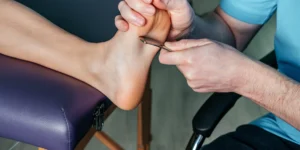
Many home cures and preventive measures can treat heel discomfort, but sometimes professional intervention is needed. If your heel pain doesn’t improve with self-care, see a doctor.
A podiatrist or orthopaedic specialist can appropriately diagnose and treat your heel discomfort. They can diagnose plantar fasciitis, Achilles tendonitis, stress fractures, and bursitis.
Get medical help right away if you are experiencing heel pain along with redness, swelling, warmth, difficulty walking, or bearing weight on your foot. This may indicate a dangerous condition requiring prompt treatment.
Everyone’s scenario is different; what works for one may not work for another. A doctor can help you manage and avoid heel pain with a customised treatment plan.
When in doubt, get professional advice—foot care is vital to your health!
Conclusion
Heel discomfort can cripple people of all ages and lifestyles. Avoid heel pain if you’re an athlete, work long hours on your feet, or like to walk. You can manage your foot health by learning about heel pain sources and taking preventative actions.
Wear shoes that support and cushion your heels. Daily stretching will keep your foot muscles and ligaments supple and injury-free. Keeping your feet clean and dry reduces the chances of plantar fasciitis and Achilles tendinitis.
If home cures don’t work or your problems worsen, a podiatrist or orthopaedic specialist may be needed. They can examine you and recommend treatments that meet your needs.
Maintaining foot health requires preventing heel pain. Following these guidelines and making tiny modifications to our everyday routines can lessen the likelihood of debilitating heel pain that impairs mobility and well-being. Healthy feet mean happy strides!